However, if a check is unprocessed beyond its expiration, the issuer might use the funds in other ways. This could lead to the check bouncing — a bounced check occurs when the account holder has insufficient funds. These checks are returned to the bank and the issuer is charged a fee as a penalty. In some situations, the recipient can also be charged a fee in addition to having to refund the deposit. When attempting to deposit an expired check, it is possible that the bank will refuse to release the funds. The issuing bank and the recipient’s bank might also honor the expired check and process it without difficulty.
What happens if you deposit an expired check?
Even if the payee never cashes the stale check, this doesn’t mean that your business receives extra cash. The only difference is that when issuing a cashier’s check, the bank withdraws the funds from the purchaser and then issues the check on the purchaser’s behalf. Because the paying bank receives funds upfront, the recipient doesn’t have to worry about dealing with a bad check. Certified checks are personal checks from a bank account owner who has drawn on the account and had the bank guarantee the check. And if you fear that a check you have written has been lost or stolen, you should move promptly to cancel the check with your bank.
Make your money work for you
- Generally, the 90-day warning is often just meant to encourage the check holder to cash or deposit the check as soon as possible for the sake of convenience for both parties.
- Reach out to the person or institution that issued the check to ask about a replacement check.
- Treasury checks, stimulus checks are good for 1 year after the date issued.
- Another solution is to contact the person or business that wrote the check and ask them if they would issue another check to replace the stale one.
- If you try to cash a stale check or someone tries to deposit a stale-dated check that you’ve written, here are a few things to look out for.
- Even if both banks accept the old check, it could bounce later due to insufficient funds.
Although checks don’t have an official expiration date, they become “stale dated” after six months. At this point, it is up to the bank to decide whether it will honor or reject it. Many checks, including personal checks, have a 6-month expiration date.
How can stale-dated checks impact your business?
If a cashier’s check has a pre-printed expiration or void date, it’s probably best to cash it before then. If a personal or business check is more than six months old, it’s considered stale. However, that doesn’t automatically make it worthless, bad, or unacceptable to your bank.
Generally, money orders do not expire, but state laws and issuer rules can influence the money order’s life expectancy. This means that, in theory, you can cash a money order at any point in time. Although, each state and financial institution can instate rules like considering old money orders to be abandoned property or charging a fee after a certain amount of time.
- We do not endorse the third-party or guarantee the accuracy of this third-party information.
- A court decision in the case of Aliaga Medical Center S.C.
- However, a person may no longer be able to deposit or cash a check after it has become stale.
- Morgan offers investment education, expertise and a range of tools to help you reach your goals.
- Some of the most common reasons for receiving a Treasury check include tax refunds, stimulus payments, or social security benefits.
– Contact the person who wrote the check and ask if they can give you a new one. Consider the type of unclaimed property you could potentially have and investigate the state dormancy period for each. The policy should more clearly outline what you are going to do if a recipient does not cash a check that you’ve issued.
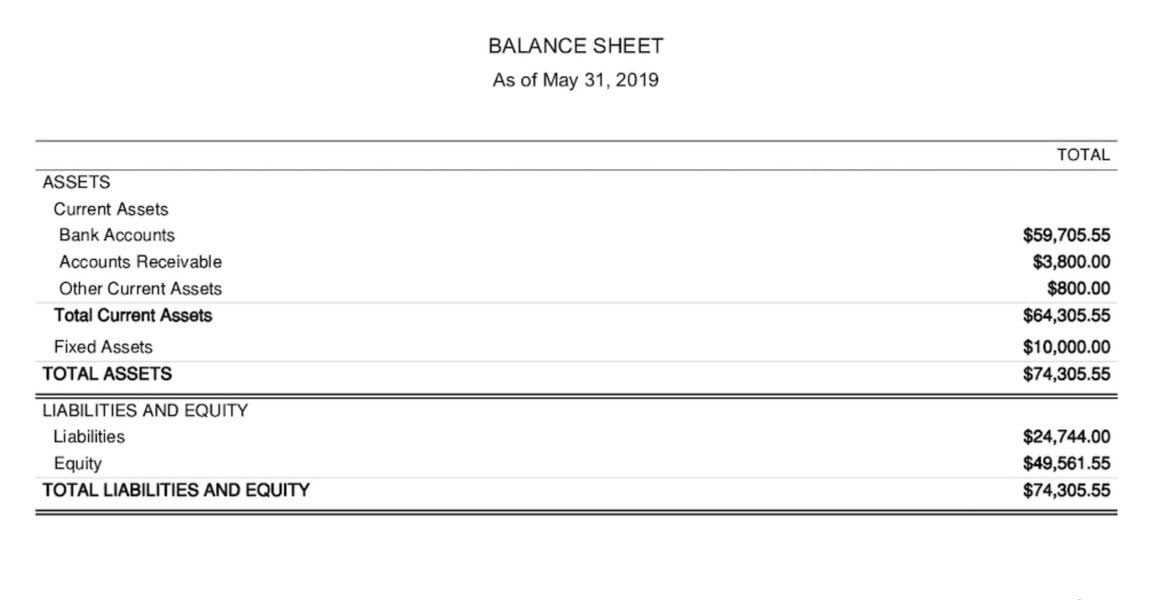
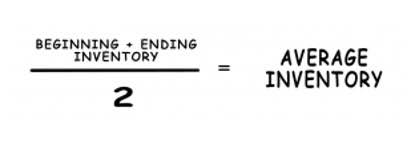
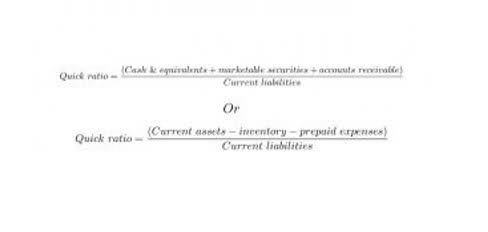
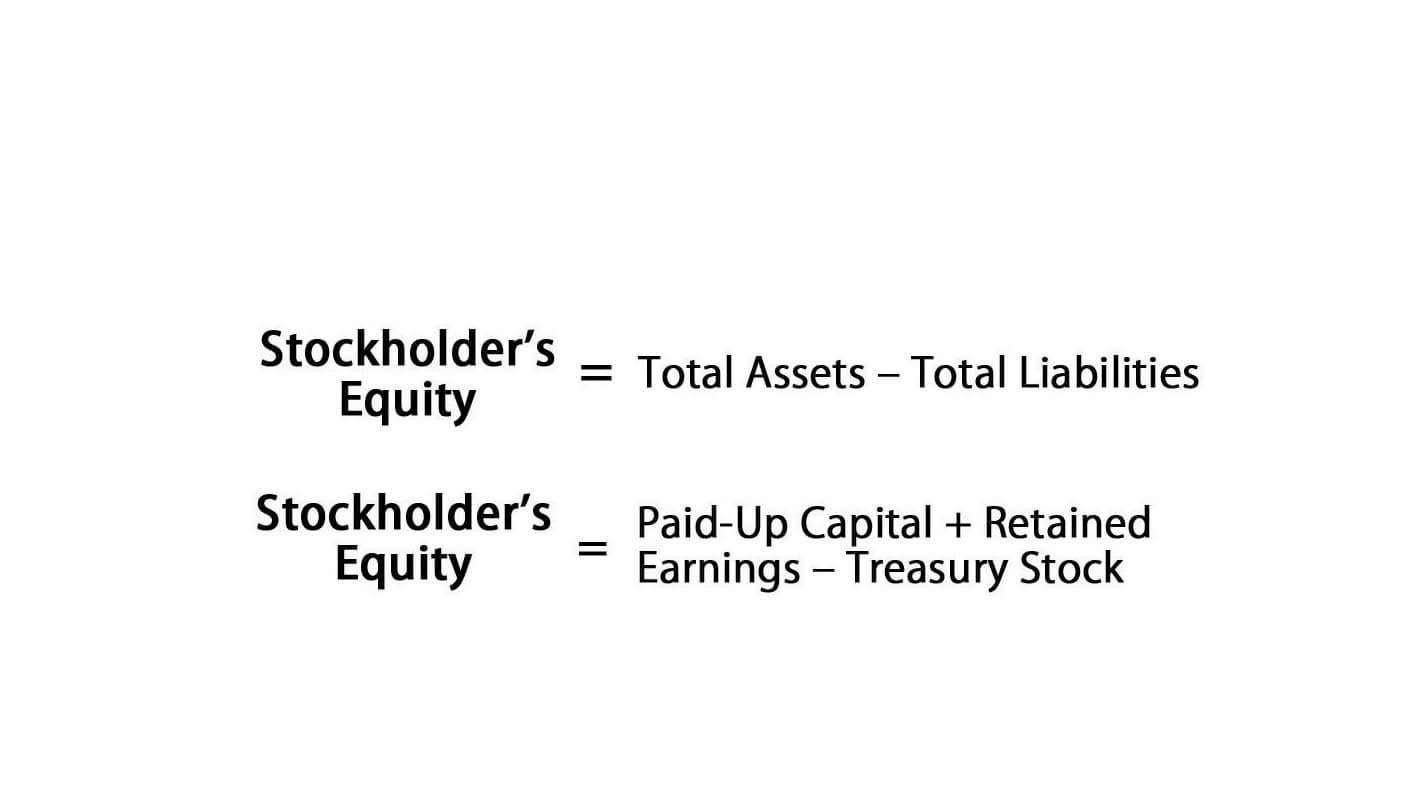
You should also keep diligent records of the attempts you made to contact the business owner. Businesses have so many checks flowing through them that depositing a check after this date may cause it to bounce. It could also cause checks are stale dated when problems with things like the balance sheet and cash flow statement. The content on this page provides general consumer information. This information may include links or references to third-party resources or content.
Expiration dates and other issues regarding check use are governed by the UCC—that’s a set of laws that regulate commercial transactions in the U.S. It’s best to the money order issuer for details—it can get complicated. For example, domestic USPS money orders are good indefinitely, but international money orders can expire. Ultimately, it may depend on the type of check involved, explained in detail below, and what the bank chooses to do. It may take some convincing, but it’s possible to have the bank settle the check for you, even after expiration.
- Although banks, credit unions or other financial institutions might let you cash or deposit an outdated check into your account, the law doesn’t require them to do so.
- Ask for a new check if the old one is past the six-month mark.
- Outstanding checks that remain so for a long period of time are known as “stale” checks.
- Also, the issuers of checks sometimes note a time limit on their checks’ validity on the face of the check.
- Ruled that banks can retrieve funds after the issuer’s requested void period unless that person specifically instructed the bank not to honor the check after that time frame.
- John just finished a large job and receives a check made to John Smith Landscaping Services LLC.
Expiration dates on checks issued by state or local governments vary by jurisdiction. However, these checks are typically good for six months to a year. Treasury checks, if your state or local government check has expired, you are entitled to contact the issuing agency and request a replacement.